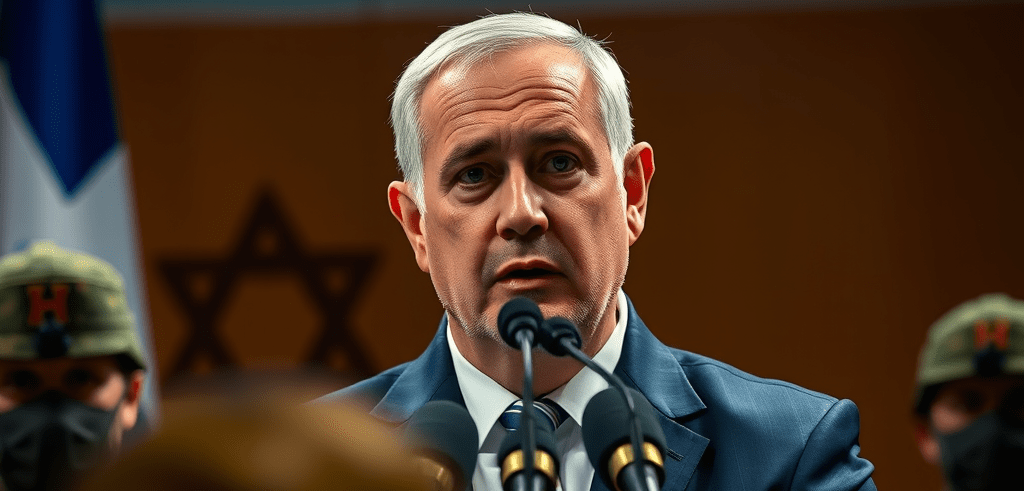
As conflict continues in the Middle East, recent statements from top Israeli officials highlight Israel’s readiness to intensify military operations if ceasefire terms with Hezbollah are not met. Alongside these military considerations in Lebanon, Israel is also focused on the threat from Iran, with Defense Minister Yoav Gallant underscoring that Iran’s nuclear program is more vulnerable than ever. This dual-pronged strategy suggests Israel’s commitment to addressing both immediate and longer-term security threats in the region.
Ceasefire Challenges with Hezbollah
A senior Israeli official recently stated that if Hezbollah rejects the terms of the ongoing ceasefire, Israel is prepared to escalate military actions in Lebanon. The official hinted at “powerful operational plans” that could include occupying additional territories in Lebanon as part of an intensified campaign. This development underscores Israel’s willingness to sustain or even broaden its military engagements, depending on Hezbollah’s response.
For Israel, Hezbollah represents a significant security risk, with its deep-rooted presence in Lebanon and close ties with Iran. The organization has engaged in multiple skirmishes with Israeli forces, and any misstep in the current ceasefire negotiations could ignite a broader conflict that would draw in surrounding regions.
Israel’s Message to Iran: “More Vulnerable Than Ever”
Simultaneously, Israeli Defense Minister Yoav Gallant has sent a clear warning regarding Iran’s nuclear program, saying that Iran is now “more vulnerable than ever” to potential disruptions or even eliminations of its nuclear capabilities. This statement suggests Israel is keeping a close watch on Iran’s nuclear advancements and is considering proactive measures to counter any perceived threats.
Israel has long considered Iran’s nuclear ambitions a red line, and recent diplomatic efforts, cyber operations, and regional alliances all point to its dedication to neutralizing this threat. Gallant’s remarks indicate Israel’s assessment that Iran’s position is weakening, and they view this as an opportunity to act decisively.
The Broader Regional Impact
These developments come at a time of heightened regional volatility. The ongoing negotiations with Hezbollah and the rhetoric surrounding Iran’s nuclear program have the potential to shift the Middle East’s security landscape dramatically. Hezbollah’s stance on the ceasefire could lead to renewed hostilities in Lebanon, which would likely impact civilian areas and exacerbate the humanitarian crisis.
Furthermore, any direct action against Iran’s nuclear facilities could provoke significant retaliation, not only from Iran but potentially from Iranian-backed groups across the region, including Hezbollah. This complex web of alliances and rivalries has regional stakeholders concerned about the possibility of a larger conflict.
What Lies Ahead?
As the situation unfolds, Israel’s dual approach demonstrates its determination to handle both immediate and strategic threats. The statements by Israeli officials serve as a reminder of the precarious balance of power in the Middle East and the high stakes surrounding both Hezbollah’s actions in Lebanon and Iran’s nuclear aspirations.
Observers should watch for updates on the ceasefire talks with Hezbollah, as well as any signs of increased military posturing from Israel regarding Iran. The potential for escalation remains high, and the decisions made in the coming days could have lasting implications for stability in the region.
Israel’s leadership is sending a clear message: any threat, whether on its northern border or in the form of a nuclear program, will be met with resolve. The international community will need to closely monitor these developments, as the path Israel chooses may reshape the Middle Eastern geopolitical landscape for years to come.


 IBAFIN
Leave a comment